Shi'ite Studies

Shi'ite Studies

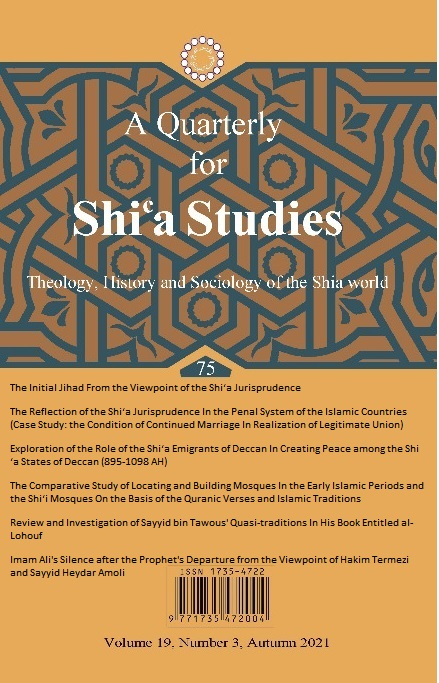
The Comparative Study of Locating and Building Mosques In the Early Islamic Periods and the Shi‘i Mosques On the Basis of the Quranic Verses and Islamic Traditions

Document Type : Original Article

Author
The University of Tehran. Farabi college
Abstract
The early Islamic mosques were built on the model of Medina mosque and using the Quranic teachings. This method changed through time and gradually the Quranic teachings paled in locating and building mosques. This article uses a descriptive-analytical research method and chooses cases from the early Islamic period in Iran and other Shiite mosques to investigate two different periods in building mosques in Iran comparatively as well as the history of development in building them on the basis of the Quranic verses and Islamic traditions. To analyze the issue, eight principles in building mosques were extracted from the Quranic verses and traditions, and then the extent and the mode of their affecting building mosques in the Islamic period and the Shiite mosques were assessed. According to the results of the study, the Quranic principles in building mosques were classified into eight principles all of which were observed in building the early instances of mosques. In Shiite mosques, however, only four of the principles were observed, including the following ones: stability and strength (both using poor quality building materials and techniques of quick building made later mosque less strong); locating in social places; possibility of going to mosques on foot; building local mosques; and paying heed to light in the mosques.
Keywords

  1. قرآن کریم.

    1. ابن حجر عسقلانی، احمد بن علی (1407ق)، فتح الباری شرح صحیح البخاری، قاهره، دارالریان للتراث.
    2. احمدی ملکی (1378)، فرم‌ها و نقش‌های نمادین در مساجد ایران، اصفهان، مجموعه مقالات همایش معماری.
    3. اخوت، هانیه و بمانیان، محمدرضا (1389)، معماری و شهرسازی سنتی در کشورهای اسلامی، تهران، نشر طحان.
    4. اسناد کتابخانه میراث فرهنگی دامغان (1382)، مسجد تاریخانه دامغان.
    5. اسناد کتابخانه میراث فرهنگی نایین (1390)، مسجد جامع نایین.
    6. انیسی، علیرضا (1389)، «مسجد جامع فهرج؛ ارزیابی مجدد»، نشریه هویت شهر، سال پنجم، ش7.
    7. بلخاری قهی، حسن (1388)، مبانی عرفانی هنر و معماری اسلامی، تهران، پژوهشگاه فرهنگ و هنر اسلامی.
    8. پیرنیا، محمدکریم (1349)، «مسجد جامع فهرج»، نشریه باستان‌شناسی و هنر ایران، ش۵.
    9. حرعاملی، محمد بن حسن (1401 ق)، وسائل الشیعه الی تفصیل مسائل الشیعه، تهران، المکتبة الاسلامیه.
    10. سرداری، مازیار (1397)، مسجد حاج رجبعلی، تهران، انجمن مفاخر معماری ایران، در:

     http://ammi.ir

    1. سمر دلموجی، سلمی (1377)، ساختمان حرم نبوی، مدینه منوره، ترجمه محمدرضا مروارید، مشهد، بنیاد پژوهش‌های اسلامی.
    2. سید قطب (1425ق)، فی ظلال القرآن، بیروت، دارالشروق.
    3. «دانشنامه تاریخ معماری و شهرسازی ایران‌شهر» (1399)، در:

     http://iranshahrpedia.com/fa/indexer

    1. صدوق، محمد بن علی (1376)، الأمالی، تهران، کتابچی.
    2. صدوق، محمد بن علی (1413 ق)، من لایحضره الفقیه، تصحیح علی اکبر غفاری، چ دوم، قم، دفتر انتشارات اسلامی.
    3. طباطبائی، سید محمد حسین (1390ق)، المیزان فی التفسیر القرآن، بیروت، مؤسسة الاعلمی للمطبوعات.
    4. طبرانی، سلیمان بن احمد (بی‌تا)، معجم الکبیر، بیروت، داراحیاء التراث العربی.
    5. قربان‌نژاد، پریسا و جلیل‌زاده محمدی، فاطمه (1394)، «الگوی مکان‌یابی مساجد همراه با مطالعه موردی مسجد النبی بر اساس آیات، روایات و سیره نبوی»، فصلنامه تاریخ فرهنگ و تمدن اسلامی، سال ششم، ش18.
    6. گالدیری، اوجینیو (1392)، مسجد جامع اصفهان، ترجمه عبدالله جبل عاملی، ویراسته بهنام صدری، فرهنگستان هنر / دانشگاه آزاد اسلامی.
    7. گدار، آندره (1312)، «تاریخانة دامغان»، مهرماه ، سال 1، ش 2.
    8. مجلسی، محمدباقر (1403) ، بحارالانوار، بیروت، مؤسسة الوفاء.
    9. مرکز اسناد و مدارک میراث فرهنگی (1382)، نقش عجب، تهران، سازمان میراث فرهنگی کشور.
    10. مکارم شیرازی، ناصر (1371)، تفسیر نمونه، تهران، دارالکتب الاسلامیه.
    11. ملازاده، کاظم و محمدی، مریم وحق دوست، زهرا و عقابی، محمد مهدی (1378)، مساجد تاریخی، تهران، پژوهشگاه فرهنگ و هنر اسلامی / حوزه هنری سازمان تبلیغات اسلامی.
    12. موسوی مقدم، سید محمد و محمدی، مروت (1395)، «بررسی نقش مسجد در افزایش سرمایه اجتماعی بر اساس نماگرهای آن در قرآن و حدیث»، نشریه مدیریت سرمایه اجتماعی، دوره 3، ش1.
    13. میبدی، رشیدالدین (1339)، کشف الاسرار و عدّة الابرار، به انضمام علی اصغر حکمت، تهران.
    14. نجفی، محمدحسن بن باقر (1362 ق)، جواهر الکلام فی شرح شرائع الاسلام، تدوین عباس قوچانی، بیروت، داراحیاء التراث العربی.
    15. هیثمی، علی بن ابی‌بکر (1425ق)، بغیة الرائد فی تحقیق مجمع الزوائد و منبع الفوائد، بیروت، دارالفکر.
    16. Imamuddin, H, Shamim Ara Hassun and Debrashir Sarkar (1985) ‘Community Mosque: A Symbol of Society’, Exploring Architecture in Islamic Cultures: Regionalism in Architecture, Proceedings of the Regional Seminar in the Series Exploring Architecture in Islamic Cultures, Bangladesh University of Engineering and Technology and Institute of Architects, Dhaka, 17–22 Dec. 1985, The Aga Khan Award for Architecture, Concept Media Pte Ltd., Singapore.